
Solar Panel Maintenance: A 2026 (DIY vs. Pro) Guide
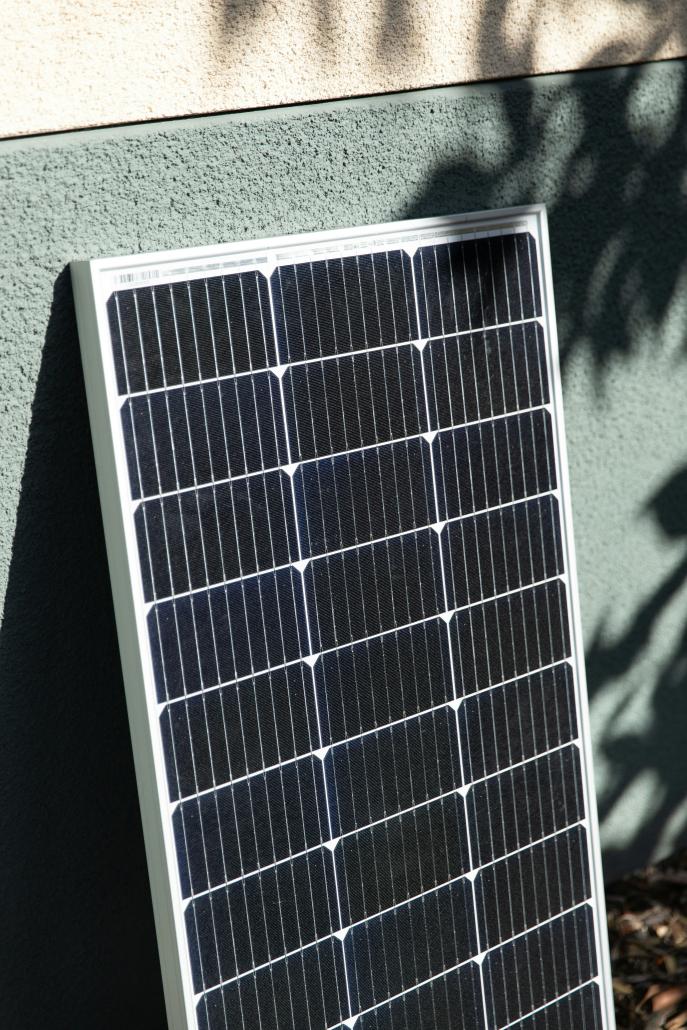
One of the most appropriate decisions that you can make concerning your home is the installation of solar panels. They save money on electricity, increase the value of your property, and decrease your carbon footprint. However, solar systems, just like any other good investment, require some attention. Most individuals think that when the panels are installed, they will run indefinitely. This is not true. Solar panel maintenance for homes is required.
Although solar systems do not need as much effort as other home devices, periodically maintaining solar systems is still beneficial. Bird droppings, dust, and dirt accumulate. Leaves fall and block sunlight. Wires may loosen with time. All of this reduces the energy your system produces. To ensure longevity, we recommend reviewing our list of longest-lasting solar panels on the market.
Solar Maintenance: Quick Facts
- Main Task (DIY): The main “maintenance” is simple monitoring and occasional cleaning (a gentle rinse with a hose is often enough).
- The #1 Rule: NEVER use a high-pressure washer or harsh soaps, as this can damage the panels and void your warranty.
- The “Pro” Task: Real maintenance (electrical checks, inverter servicing) is *not* a DIY job and requires a certified solar technician.
- Key Signal: If your system monitoring app shows a sudden drop in production, it’s time to call a professional.
The main reason to clean your panels is to prevent “soiling”—the buildup of dust, dirt, and pollen. Studies from the National Renewable Energy Laboratory (NREL) show that soiling can significantly reduce a panel’s performance.
This blog will make you realize why maintenance is essential, how to maintain your panels in each season, how to clean your panels properly, and when you should hire a professional to clean your panels or do it yourself. Let’s explore with us:
Why Should You Maintain Your Solar System After Installation?

Sunlight is essential for the panels. When the surface of the solar system is dirty or blocked, very little light reaches through, and your system produces less electricity.
Suppose we put on sunglasses with smudges on them. Still, you can see, though less clearly. Solar panels act the same way. There is dirt that minimizes their efficiency. Research indicates that dirty panels can lose up to 10 to 20% of their power. That is a lot to lose on a system that is meant to save you money.
Maintenance is also about spotting problems early. When one wire is loose, when a tree grows and casts shade, or when the glass is broken, your system will not work as it should. Minor problems left to trail become costly to fix.
Another reason solar panel maintenance for homes matters is safety. Loose mounts or wires can be dangerous, especially during storms. Regular checks keep your system safe and your roof secure.
Simply put, the short-term savings of having solar systems are not limited to saving money. It is about saving your money, keeping your house running, and being able to relax. Ensure optimal system performance — check out our Commercial Solar Installation Services for full-service support.
Also read: Longest-Lasting Solar Panels
Seasonal Solar Panel Care: What to Check and When

Your residential solar performance optimization varies with each season. Hot days, cold nights, wind, precipitation, or falling leaves can all influence the amount of power you receive. The easiest way to be prepared before things start to go wrong is with a simple seasonal plan.
You can maintain your system throughout the year by attending to minute details. Tidying up, inspecting mounts, and pruning trees are not complex actions that save your investment. Your panels can be designed to remain strong and provide you with reliable power throughout all seasons with a clear maintenance routine.
-
Spring: Preparing Panels for Peak Energy Production
Spring is the best time to get your panels ready for intense sun. Pollen and dust often adhere to the glass, reducing performance. Washing them off makes a big difference. Winter may have loosened bolts or mounts, so checking those parts is smart.
Trees also grow fast in spring, and new branches can block light. Trimming them before they cause shade keeps your panels clear. A little effort now means more power during the sunny months ahead.
-
Summer: Managing Heat and Bird Activity
Summer gives long hours of sunlight, but panels can get too hot. When airflow is blocked, heat builds up, reducing energy production. Keeping space open around the panels helps prevent this. Birds also become very active in summer.
They sometimes build nests under panels, which can cause damage or shading. Checking often helps you catch this early. Watching the daily output also shows if something is wrong. Quick fixes during summer keep the system producing at its best.
-
Autumn: Clearing Leaves and Securing Against Storms
In autumn, falling leaves become the main challenge. Wet leaves stick to panels after rain, blocking the sunlight. The removal of them ensures perfect solar panel maintenance for homes. Heavy winds also accompany storms, so it’s a good idea to secure mounts and bolts.
As the sun sits lower, nearby trees may cast new shadows. Checking for shade helps you adjust before energy drops. A brief check in autumn helps protect your system from damage and maintains steady power levels.
-
Winter: Protecting Panels from Snow and Ice
Winter is snow and ice, and days are shorter. The panels may be covered with snow and be rendered out of commission. If it doesn’t melt naturally, gently clearing it is essential. Ice may form near mounts or seals and cause cracks.
Watching these areas avoids long-term harm. Because winter days are short, some drop in energy is standard. Still, it’s good to track production and ensure the dip is only due to less sunlight. Care in winter keeps your panels safe until spring.
How To Clean Panels To Maintain Solar Systems?

Solar panels perform optimally as they are clean and crystal clear. Leaves, dust, and bird droppings can block sunlight and reduce power. It is the proper way to clean them to keep your system safe and strong. Follow these easy steps.
-
Choose the Right Time
Wash your panels during the day or when it is cloudy. The panels are cool at this time, and the water will not dry up too quickly. Never wipe on a bright day because the glass may break or get scratched.
-
Switch Off the Solar System
Always turn off the solar system before cleaning solar panels. It keeps you safe from shocks and protects the panels. The shutoff switch is usually near the inverter or the electric panel. Check that everything is off before starting.
-
Use the Right Tools
Use tools that are safe and gentle. Warm water and very mild soap in a bucket is best. Use of harsh chemicals, which can damage the surface, is not allowed. A sprinkler or a hose with a weak stream is sufficient to wash away. Use an extension pole if you are unable to reach the panels easily.
-
Clean the Surface Gently
Brush off dry dirt, leaves, or bird waste first. Wipe the glass slowly with a cloth or brush that is dipped in soapy water. You should not push too hard because it can scratch the surface. Clean up the corners and edges also, as dust will collect there.
-
Rinse the Panels Properly
Wash and rinse with clean water. A little hose water is okay. A pressure washer should not be used because the water can break the glass. Ensure that no soap residue remains on the panels.
-
Check for Damage and Debris
When cleaning, check closely to see cracks or loose wires—test seals around the panels. Check beneath the panels to see whether there are bird nests or branches. When identified at an early stage, minor problems are easier to repair.
-
Stick to Regular Maintenance
Do not wait until your panels look dirty. Clean them every few months to keep energy strong. Check the system output using your inverter or app. When the power goes off despite cleaning, seek the services of a professional. Regularly maintaining solar systems will prolong their lifespan. Ensure optimal system performance — check out our Commercial Solar Installation Services for full-service support.
DIY Solar Care vs Professional Solar Panel Maintenance for Homes

Maintenance activities are not always similar. There are those that you can do on your own, and some that an expert should do. Being informed makes the difference and saves money and risks. Proper cleaning ensures you get the expected solar power output. Long-term care also extends the average lifespan of solar panels.
What You Can Do on Your Own
- Rinse dirt and leaves off the panels.
- Trimming trees or bushes that block sunlight.
- Watch performance through your system’s monitoring app.
- DIY is practical for basic home solar upkeep, but it won’t catch hidden issues like wiring damage or micro-cracks.
What Professionals Bring to the Table
- Detailed inspections using special tools and thermal scanners.
- Checking inverters, wiring, and mounts for hidden faults.
- Identifying shading problems and suggesting solutions.
- Keep your warranty alive by following the instructions of your manufacturer.
It is a good idea to employ specialists for solar panel maintenance for homes on an annual basis. It helps to match your self-organising projects and make sure your system receives professional care where it is needed. If you are looking for a good option, give a chance to the NEDES.us team, which is dedicated to quality installations and efficient maintenance.
Schedule a Professional Inspection
Not sure if your panels are performing at 100%? Contact our expert team today for a full system diagnostic and maintenance quote.
FAQs
How much do you need to clean your solar panels?
+
The majority of the panels will be washed two to four times per year. When you are in a dusty place or house with nearby trees, you can easily clean them more often.
Can rainwater clean solar panels?
+
Rain assists slightly, but it cannot eliminate sticky dirt, droppings by birds, or heavy dust. Your panels must still be cleaned by hand.
Is it safe to stand on solar panels while cleaning?
+
No, never step on solar panels. The glass can crack, and repairs are costly. Always use safe tools like extension poles to reach them.