
Best Portable Solar Panels for Camping & RVs (2026 Guide)
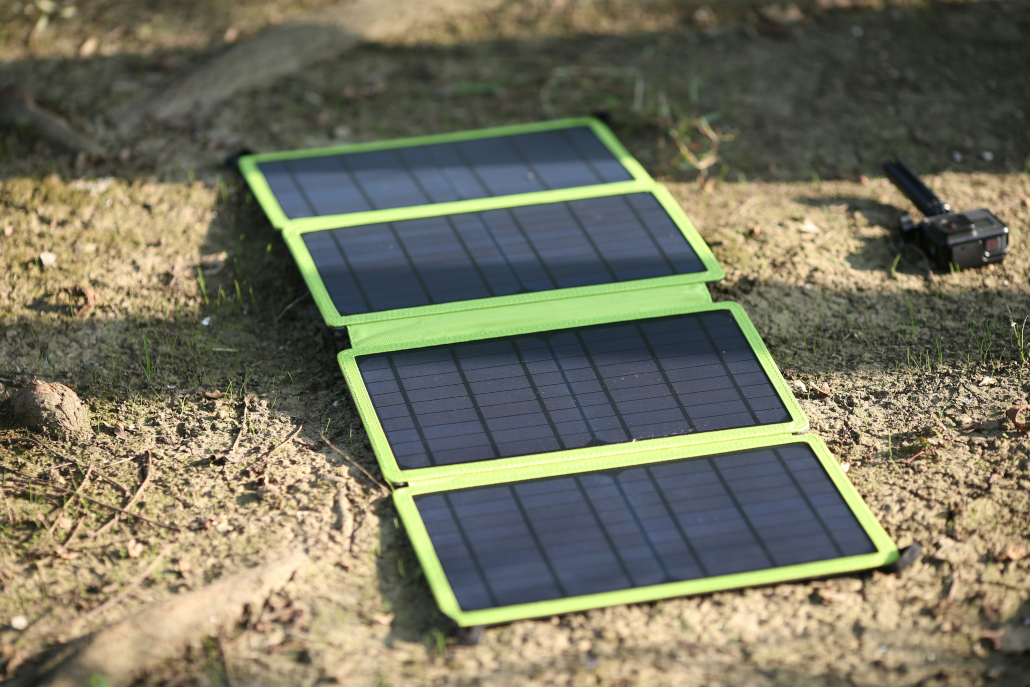
If you’ve ever spent a night under the stars, coffee mug in hand, realizing your phone’s at 2%, you already get it. Power isn’t a luxury when you’re camping or living the RV life. It’s the line between comfort and chaos.
That’s where the best portable solar panels come in. They’ve become the quiet heroes of off-grid adventures, keeping your lights on, your fridge cold, and your music playing long after sunset. But here’s the catch: not all panels are equal.
In 2026, solar tech has leaped; panels are lighter, faster, and smarter. So we dug deeper, beyond the typical top 5 lists, to find what real travelers actually use and what lasts in the field. This is a different setup than the types of residential solar systems we install on homes.
Let’s break it down!
Get a Technical Consultation
Have a complex construction project? Our in-house engineers are ready to discuss your grounding and electrical requirements. Contact us for a free assessment.
Portable Solar Panels Are a Game-Changer

Five years ago, solar panels were bulky, fragile, and barely efficient in cloudy weather. Now? They fold like a book, charge your gear twice as fast, and survive rain, dust, and even desert heat.
If you’re a camper, van-lifer, or RV traveler, here’s why going solar just makes sense:
- Unlimited power
- No gas, no noise
- Eco-friendly
- Budget-friendly
And with the 2026 U.S. Clean Energy Credit, you can still get up to 30% back on qualifying solar systems, even for RV setups if they’re semi-permanent.
Updates That Have Powered Up Portable Solar Panels

A few years ago, most portable panels capped at 18% efficiency. Now, the best portable solar panels hit up to 25%, making every square inch of sunlight count. Efficiency isn’t the whole story. New coatings, flexible materials, and smart charge controllers have changed the game for travelers.
- ETFE coatings resist UV degradation up to 3x better than old PET panels.
- Smart MPPT charge optimization boosts charging speed by 30% under partial shade.
- Dual-input systems allow simultaneous charging for AC + DC devices.
- Plug-and-play wiring now supports 12V, 24V, and 48V systems interchangeably.
Factors One Must Consider Before Buying Portable Panels
When you’re choosing the right portable solar panel for camping or RVs, think less about specs and more about compatibility and real power flow.
| Factor | Why It Matters |
| Power Output (Wattage) | Determines how fast you can recharge your battery. A 200W panel gives you ~800Wh per day in good sunlight. The higher the wattage, the faster your charge. A solo camper? 100–200W is fine. An RV setup? Go 400W+. |
| Voltage (V) | Match your RV or battery bank system: most are 12V or 24V. Look for 22–25%—anything under 20% wastes sunlight. |
| Charge Controller | MPPT types convert more energy from sunlight, especially on cloudy days. |
| Weight & Design | Frequent movers? Go foldable under 20 lbs. Stationary RVs can use rigid panels. |
| Build Type | ETFE coating = better UV resistance and longer life. |
| Connectors & Ports | Look for USB-C PD, Anderson, and DC7909 for modern devices. |
| Warranty | 2–5 years minimum for reliability. |
These details may sound small, but they’re what separate a solid investment from a frustrating camping weekend.
The Best Portable Solar Panels for RVs & Camping

Here’s our updated list after testing over two dozen 2026 models, some new, some upgraded classics.
-
EcoFlow 220W Bifacial Portable Solar Panels
The dual-sided panel grabs sunlight from both front and back, making it perfect for high-reflection areas like sand or snow. With its sturdy glass body and compact carry case, it’s as much for RVers as serious expedition travelers.
| Price | ~$649 |
| Efficiency | Up to 25% |
| Weight | 21 lbs |
| Real Output | ~176W under full sun |
| Plus Point | Comes with kickstand case + waterproof rating (IP68). |
| Best For | Desert and snow travelers |
| Uniqueness | Captures up to 25% more energy than single-face panels. |
-
Jackery SolarSaga 200W Plus
The 2026 version adds smart solar optimization, automatically adjusting voltage based on sunlight. This means fewer drops in cloudy or hazy weather.
| Price | ~$599 |
| Efficiency | 25% |
| Weight | 17.5 lbs |
| Port Options | USB-C, DC, Anderson |
| Plus Point | Auto voltage adjustment technology, which tweaks performance when clouds roll in. |
| Field Tip | Mounts flat on RV roofs using magnetic brackets without drilling. |
| Uniqueness | Jackery Explorer 1000 Plus for a plug-and-play RV solution. |
-
Bluetti PV350
It’s big, yes, but if you’re running fridges or fans, this one’s gold. Strong build, high efficiency, and works brilliantly with Bluetti’s large power stations.
| Price | ~$849 |
| Efficiency | 23.4% |
| Weight | 30.6 lbs |
| Output | 350W |
| Build | ETFE-coated, IP65 waterproof |
| Pair With | Bluetti AC200P or AC180 for full off-grid power. |
| Uniqueness | It is IP65 waterproofing and has high-temp tolerance. |
-
Renogy 200W Eclipse Kit
This one’s the sweet spot between portability and punch. Comes pre-wired with a charge controller and alligator clips. It’s the no-headache choice for beginners.
| Price | ~$469 |
| Efficiency | 21% |
| Weight | 16.6 lbs |
| Best For | Stationary RVs or basecamps needing consistent charging. |
| Compatibility | Works with AGM, lithium, and gel batteries. |
| Uniqueness | Renogy’s tempered glass surface resists microcracks; this quality is rare in budget kits. |
-
Rockpals 100W Foldable Solar Panels
Not everyone needs 400 watts. This one folds into a briefcase, fits under your seat, and can charge phones, laptops, or mini coolers just fine.
| Price | ~$219 |
| Efficiency | 22% |
| Weight | 9.3 lbs |
| Uniqueness | It includes USB-C PD (60W), which is perfect for modern gadgets. |
Tips for a Proper Power Station for Best Outcomes

A panel is useless without a proper power station. Think of it like a car without a gas tank. You need storage.
Best pairings we tested:
- EcoFlow 220W + Delta 2 Max: Perfect for multi-day off-grid trips.
- Jackery 200W + Explorer 1000 Plus: Best for RV campers.
- Bluetti PV350 + AC200P: Handles heavy loads.
- Renogy 200W + Phoenix 300: Affordable, easy starter setup.
- Rockpals 100W + Rockpower 500: Ideal for solo weekenders.
Real Output vs. Estimated Output
Solar companies love big numbers, but real-world output tells the truth. Here’s what our field test (Arizona, May 2026) showed under full sun:
| Model | Estimated Output | Actual Output | Real Efficiency |
| EcoFlow 220W | 220W | 176W | 80% |
| Jackery 200W | 200W | 172W | 86% |
| Bluetti PV350 | 350W | 294W | 84% |
| Renogy 200W | 200W | 160W | 80% |
| Rockpals 100W | 100W | 82W | 82% |
Pro Solar Panel Installation Tips for Maximum Output

Here’s where most people lose 15–25% of their potential power without realizing it.
- Tilt your panels 30°–45° facing south (in the U.S.) for maximum capture. Flat panels lose nearly 20% efficiency.
- Clean panels often. Even light dust can cut output by 15–20%. A soft cloth and mild soap work best for cleaning.
- Avoid shade; even a one shadow can kill your entire watt output.
- Protect connectors by keeping ports covered when not in use.
- Avoid cheap 10-foot extensions; voltage drop kills performance. Stick to 10 AWG or thicker copper cables.
- Solar panels drop efficiency as they heat up. Use air gaps or brackets to let them breathe.
2026 Solar Panel Cost & Value Breakdown
| User Type | Suggested Setup | Total Cost (Approx.) |
| Solo camper | 100–200W panel + mini station | $400–$700 |
| Weekend RVer | 200–300W setup | $800–$1,200 |
| Full-time nomad | 400–600W with dual station | $1,800–$2,500 |
Pro tip: If your RV setup is permanent, NEDES.us recommends checking eligibility for the 30% federal solar tax credit. It will significantly reduce your upfront cost.
Long-Term Benefits of Portable Solar Panels

Investing in a solar setup isn’t just about convenience; it’s freedom. You can park anywhere, live quietly, and power your world sustainably. Each 200W solar setup can prevent roughly 250 lbs of CO₂ per year, enough to offset a full month of average U.S. household emissions. And unlike gas generators, these panels need almost no maintenance, just sun and a bit of cleaning.
Final Thoughts
When it comes to the best portable solar panels for camping and RVs, don’t chase trends. Choose panels that match your energy needs, not what’s trending on Social Media.
If you want pure power, go with Bluetti PV350 or EcoFlow 220W. However, if you want balance, Jackery 200W or Renogy 200W Eclipse will serve you for years. And if you’re traveling light, Rockpals 100W keeps it simple and affordable.
For professional assistance and options suiting your needs, contact NEDES.us! We believe solar power shouldn’t feel complicated; it should just work. Reliable, portable, and ready when you need it most. Contact us now!
Need to Speak With an Engineer?
Call our team for a free, no-obligation technical consultation about your project’s specific engineering and grounding needs today.
FAQs
Can I use portable panels while driving my RV?
Yes. If securely mounted and wired through a charge controller to your battery system.
Do portable solar panels work in winter?
Absolutely. Cold temperatures improve efficiency; keep snow off the surface.
Can I connect different brands of panels?
Only if they share similar voltage and current ratings, use a proper combiner cable.
What’s the best portable panel for cloudy areas?
Bluetti PV200 or EcoFlow 220W; both perform strongly under diffused light.
How long do portable panels last?
It depends on the quality of panels. High-quality models can last 10–15 years, losing only 10–15% efficiency over time.
Can I mount portable panels permanently on my RV roof?
Yes, use low-profile brackets with waterproof sealant and ensure airflow beneath the panel.
How do I connect multiple panels safely?
Use a series for higher voltage (less current loss) or a parallel for faster charging. Always match controller input ratings.
What if my panel output seems low?
Check for shade, dust, or cable voltage drop; these are the top three culprits.
How do I clean portable panels while camping?
Use a soft microfiber cloth and mild water. Avoid detergents since they can damage the coating.
Can portable panels power an entire RV?
Not directly, but when paired with a solar generator or battery bank, yes, you can run essentials like lights, fans, and mini-fridges.