Howard County runs on planned communities, and that changes how solar gets installed here more than people expect. NEDES works inside that structure daily: navigating village covenant boards, sizing systems against BGE’s actual billing tiers, and filing through the county’s own instant-issue solar permit program.
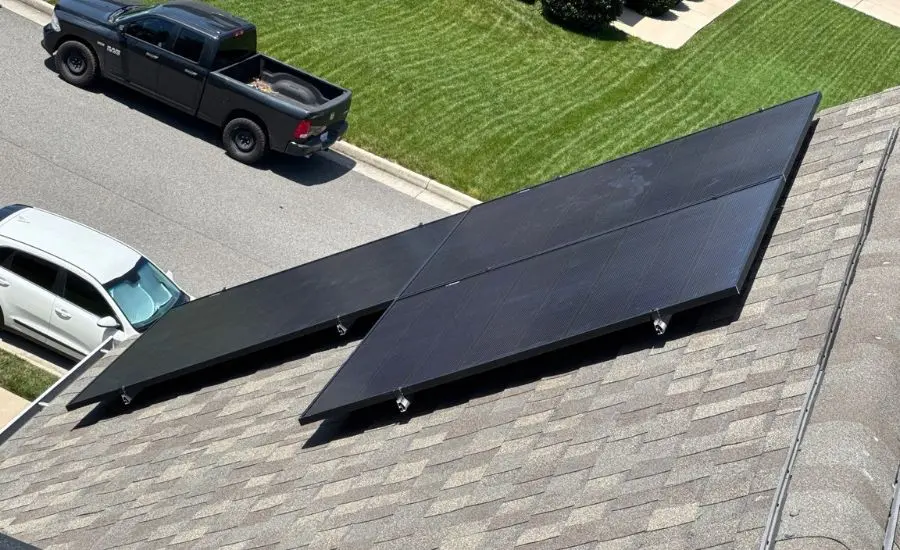


Panels stop working when it’s cloudy.
They don’t stop, they slow down. A panel on an overcast Howard County day in January typically still produces 10–25% of its clear-sky output, since panels respond to diffuse light, not just direct sun. It’s part of why we size systems against a full year of usage data rather than a single sunny afternoon.




